
Tooth extraction
Extraction of teeth, roots, and impacted teeth when it is impossible to save the tooth or when the procedure is necessary for further treatment.
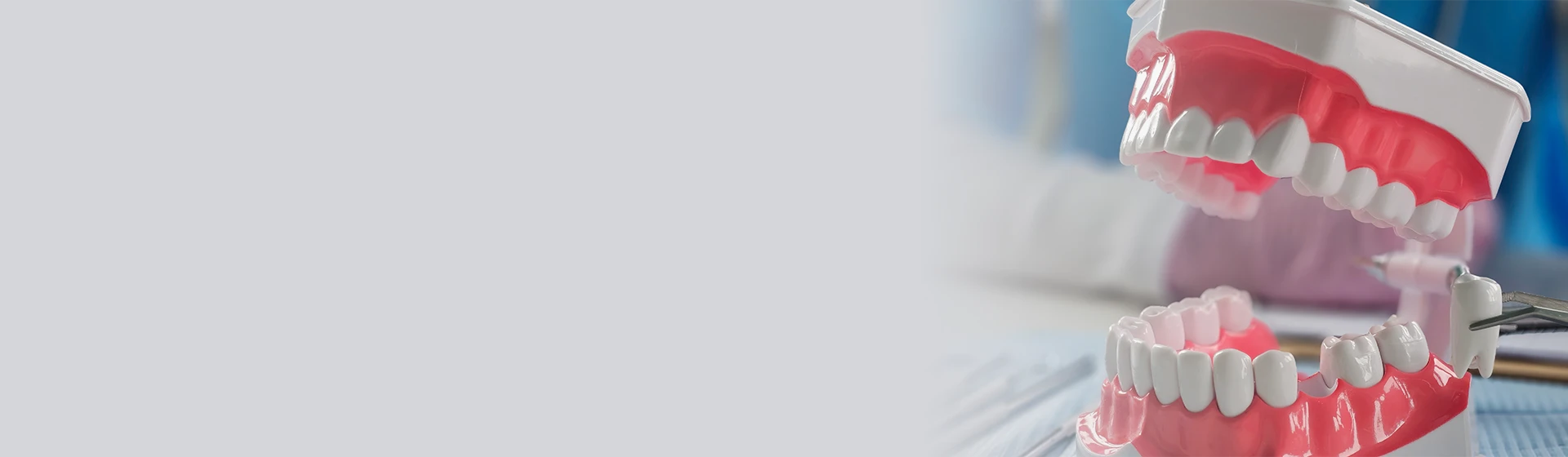
A tooth is extracted when it is no longer possible to reliably save it or when its removal is necessary for other reasons.
At the Diadenta clinic, we extract teeth that are beyond repair, remaining roots, impacted teeth, and teeth that need to be removed as part of orthodontic treatment planning.
The decision to extract a tooth is made only after evaluating its condition, prognosis, and possible treatment alternatives. If the tooth can be saved, root canal treatment, restorative treatment, or prosthetic restoration may be considered first.
When might it be necessary to extract a tooth?
Tooth extraction may be necessary when:
- the tooth is severely damaged by decay;
- there is insufficient healthy tooth structure remaining after an injury;
- an untreatable or persistent infection is diagnosed;
- the tooth or its root is fractured;
- only the tooth root remains;
- the tooth is impacted or erupting abnormally;
- extraction of the tooth is necessary for the orthodontic treatment plan;
- the long-term prognosis for the tooth is very poor.
Not every severely damaged tooth needs to be extracted. The final decision is made only after a clinical evaluation and, when necessary, radiographic examinations.

Specialists providing this service

Frequently asked questions
No. The decision to extract a tooth is made only after assessing its condition, prognosis and possible alternatives. If the tooth can be saved, root canal treatment, restorative treatment or prosthetics may be considered first.
Local anaesthesia is used during the procedure. You may feel pressure, movement or pulling, but there should be no sharp pain. Once the anaesthetic wears off, some tenderness or swelling may be felt.
No. At the Diadenta clinic, tooth extractions are performed under local anaesthesia only.
Tell the dentist about the medicines you take, especially those affecting blood clotting, as well as chronic conditions, allergies, pregnancy and any previous complications after surgical procedures. Do not stop taking your medicines on your own.
If the bleeding does not stop, the pain gets worse instead of easing after a few days, the swelling increases, you develop a fever, or you notice strong bad breath or an unpleasant taste in your mouth.

Start your
journey towards a healthy
smile
Book a consultation. We will assess your situation, discuss treatment options and help you choose the most suitable course of action.