
Cosmetic fillings
Cosmetic dental restoration that helps correct the shape, color, and proportions of teeth while preserving as much natural tooth structure as possible.

Cosmetic fillings are a dental restoration procedure in which composite materials are used to restore damaged tooth tissue and correct the shape, proportions, color, or harmony of the smile.
At the Diadenta clinic, cosmetic fillings can be used to treat cavities in the visible area of the tooth, to restore worn-down or chipped teeth, to correct the effects of trauma, and to refine tooth shape following orthodontic treatment.
The goal of the procedure is not merely a visual change. It is important to preserve the proper anatomy, function, and bite of the tooth, as well as the natural tooth structure as much as possible.
The final decision is made during the consultation after evaluating the condition of the teeth, gums, bite, and remaining tooth structure.
Not every aesthetic problem is best addressed with a filling. In some cases, orthodontic treatment, ceramic restorations, or a combination of treatment methods may provide a better long-term result.
When might a cosmetic filling be necessary?
Cosmetic fillings may be considered when:
- a piece of the tooth has chipped off;
- the teeth are worn down;
- the visible part of the tooth damaged by decay needs to be restored;
- after orthodontic treatment, you want to correct the shape or proportions of your teeth;
- there are aesthetically undesirable gaps between the teeth;
- one or more teeth stand out from the rest of the smile in terms of shape or size;
- the shape of a tooth has changed due to trauma;
- you wish to correct minor irregularities in the proportions of your smile.
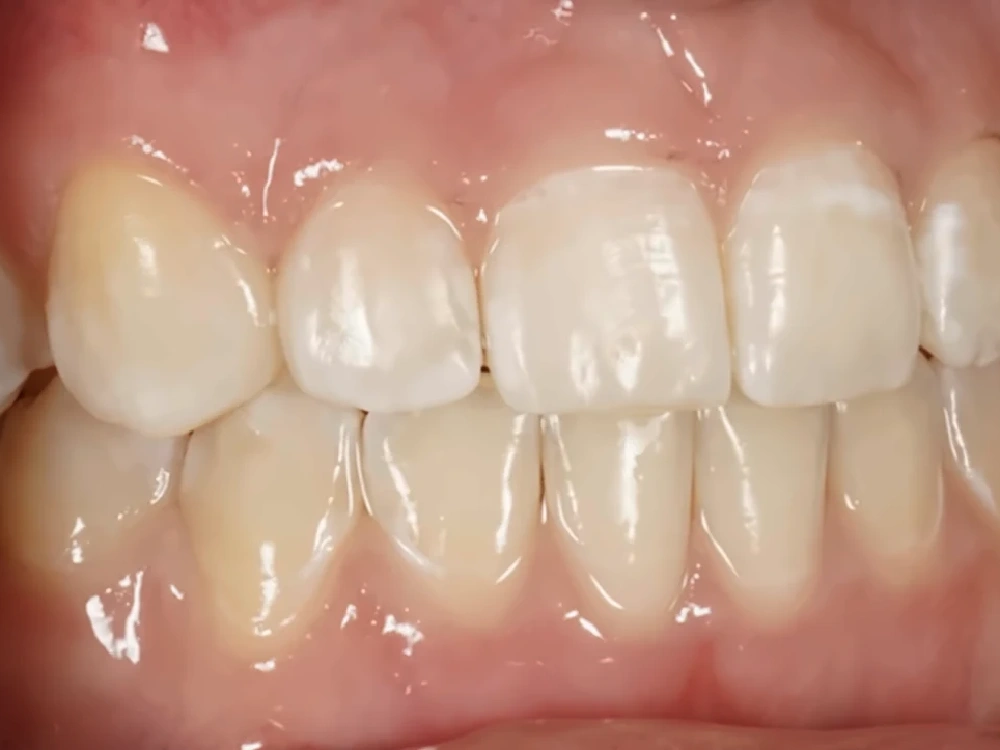
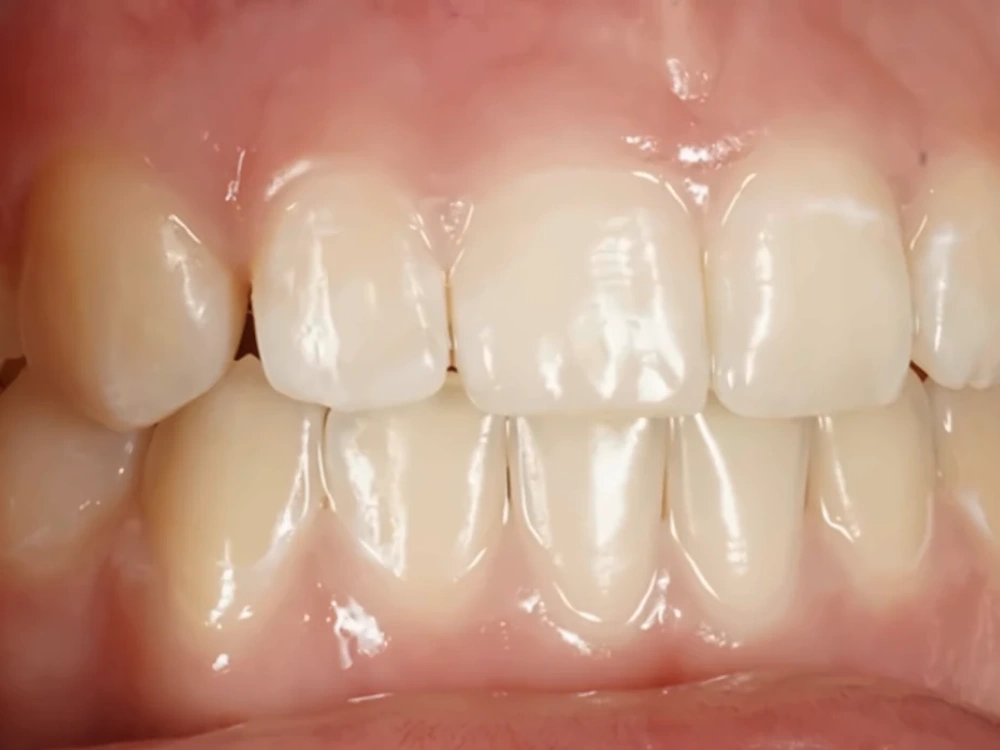
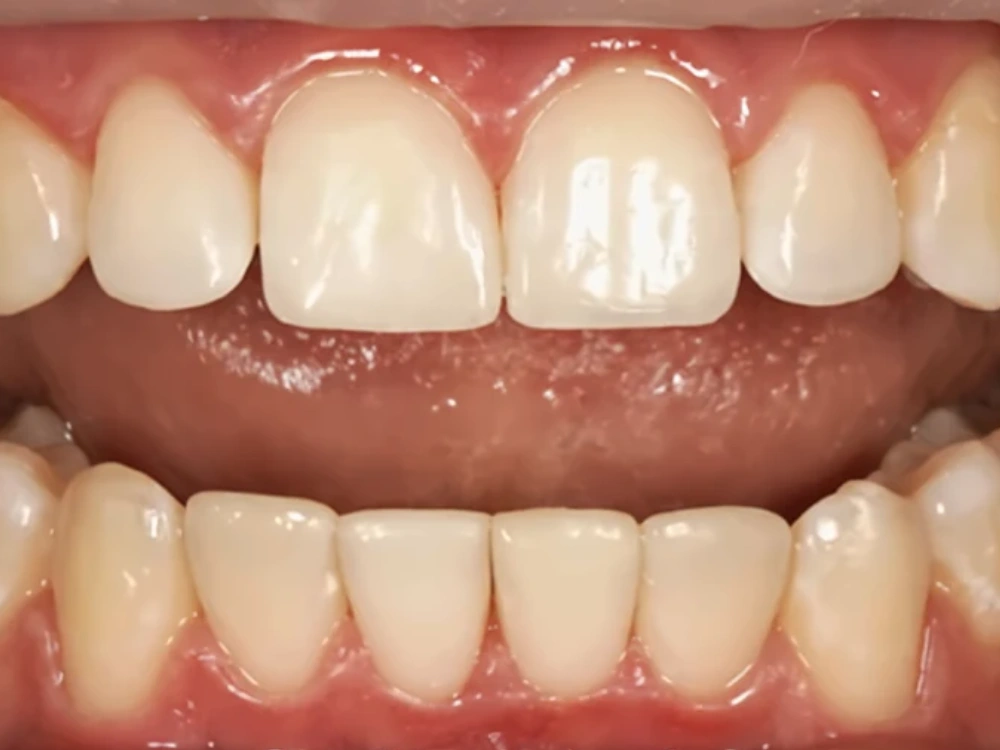
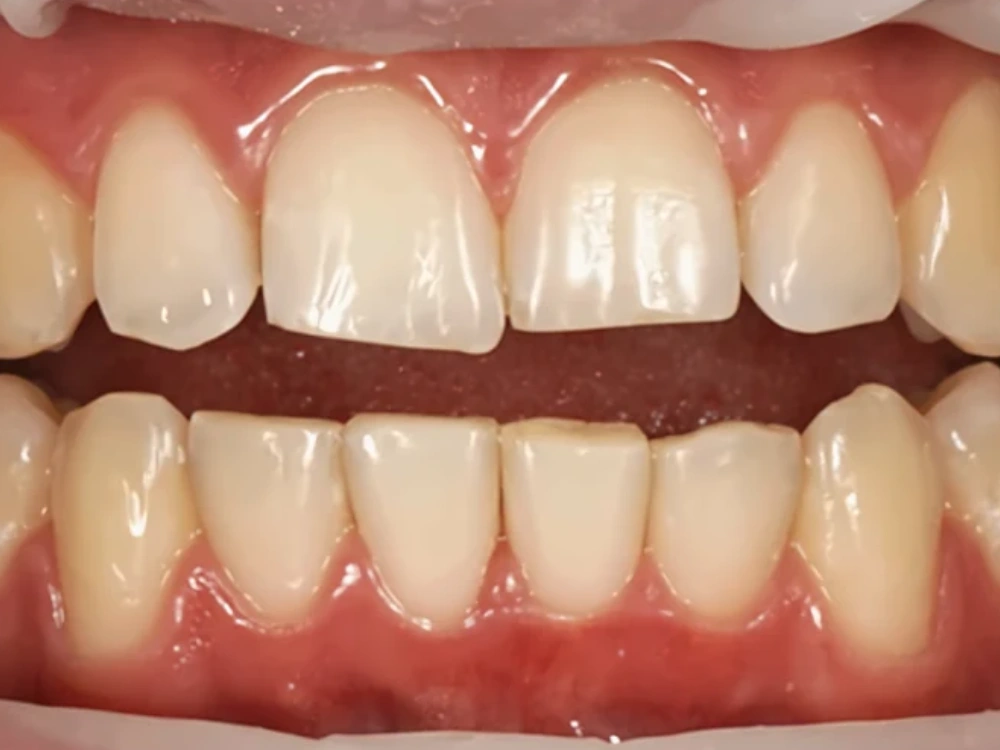
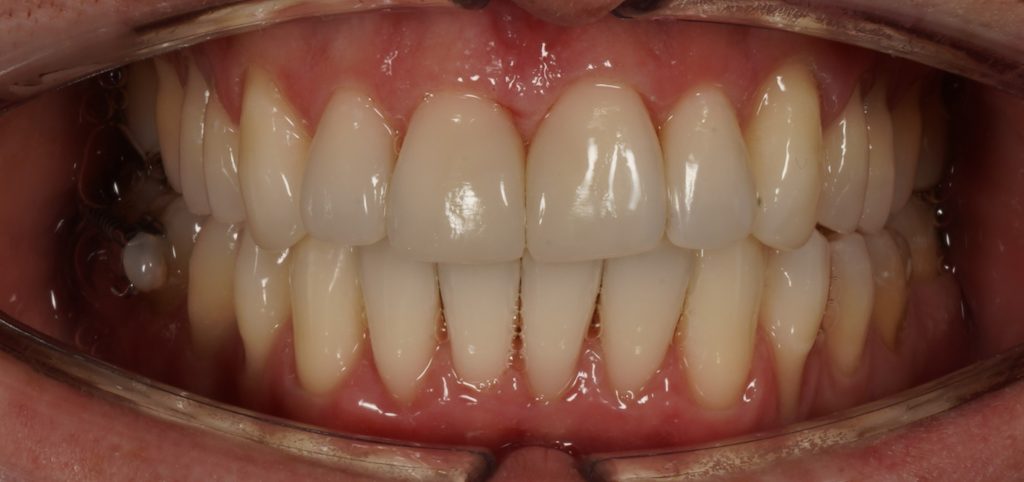
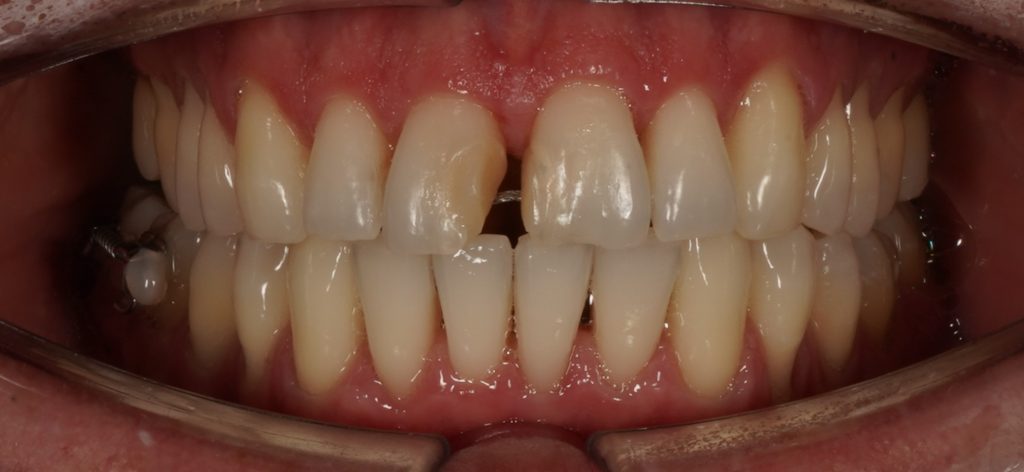
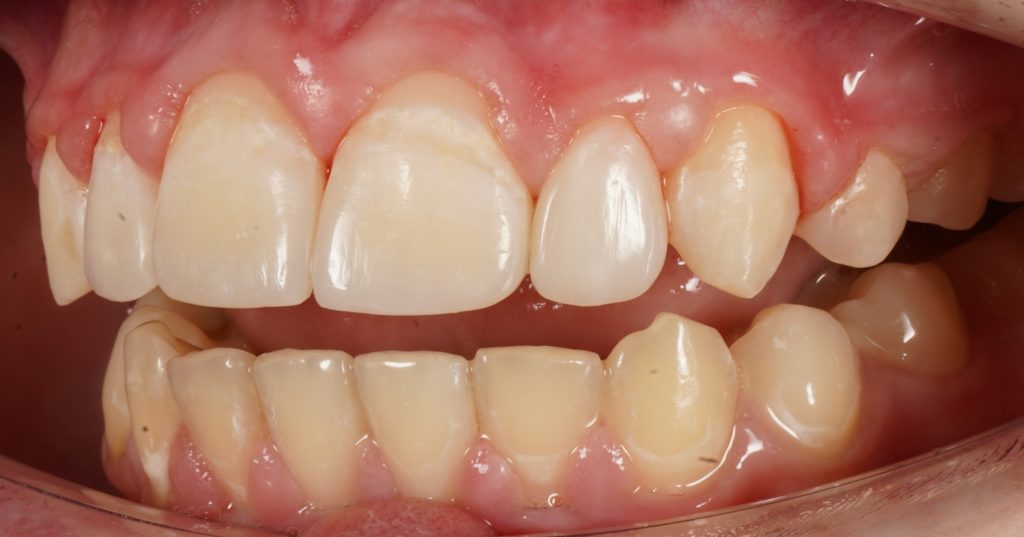
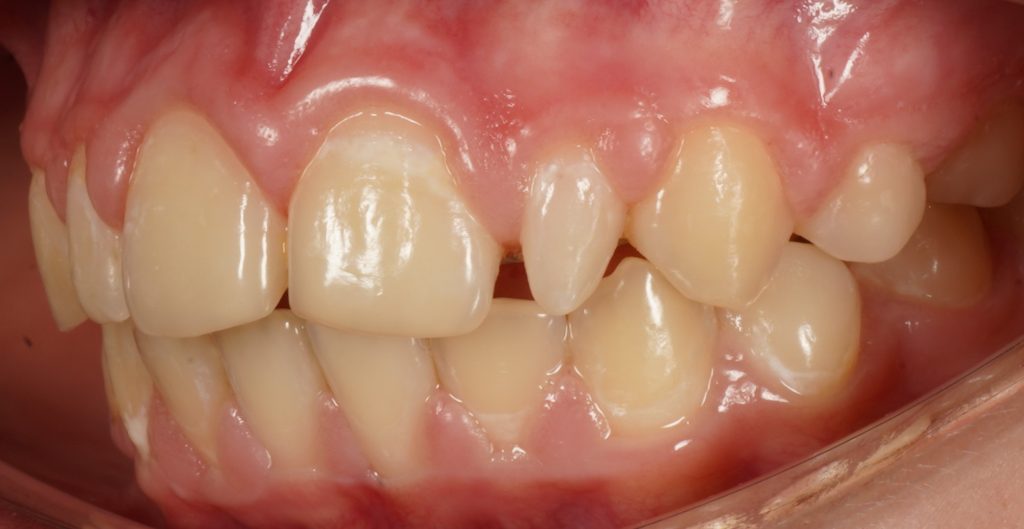
Examples of Work
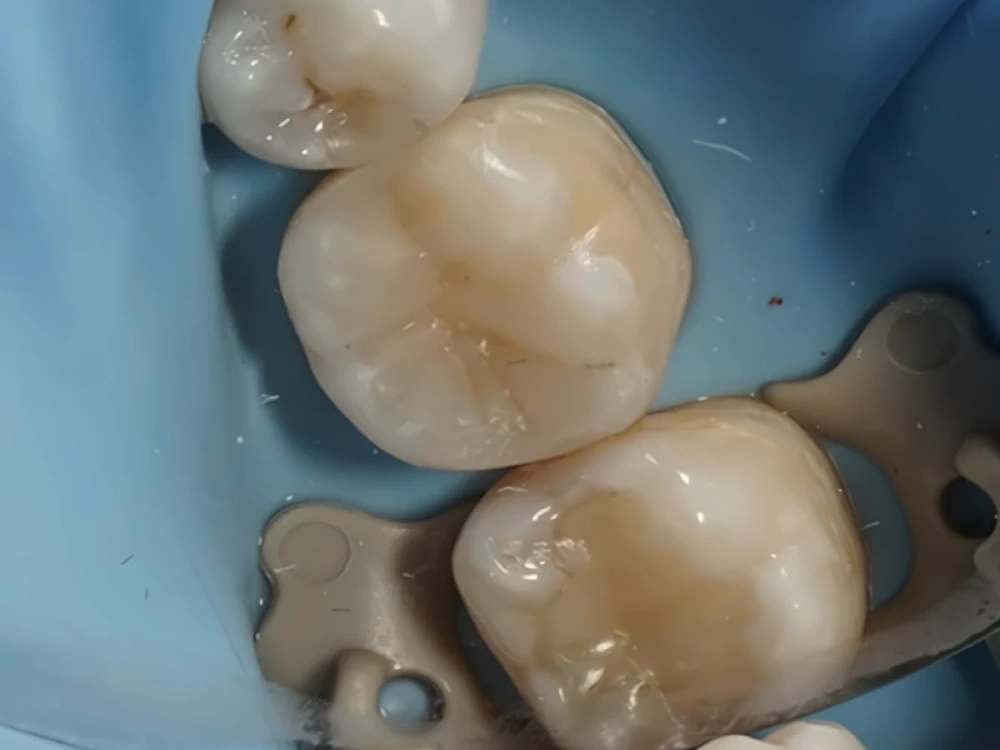
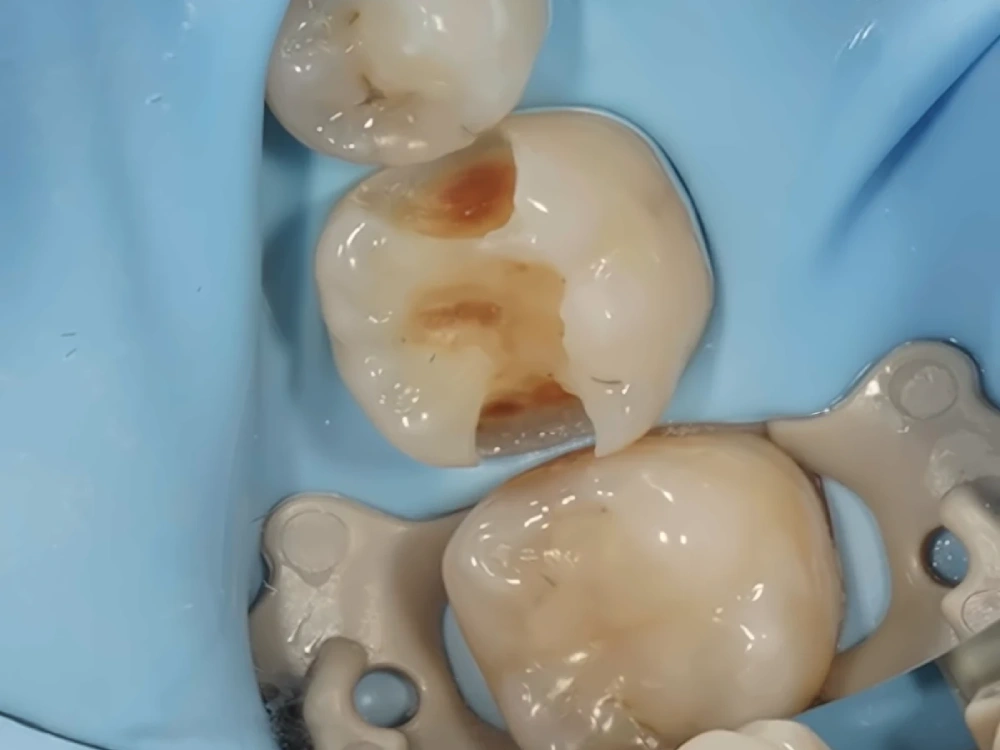
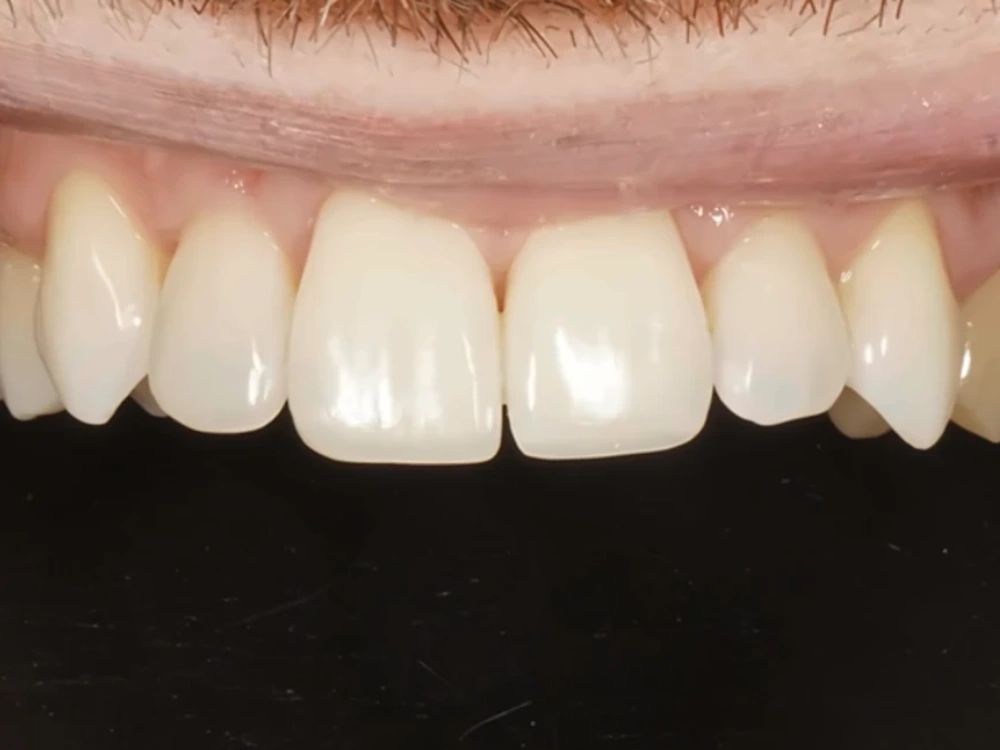
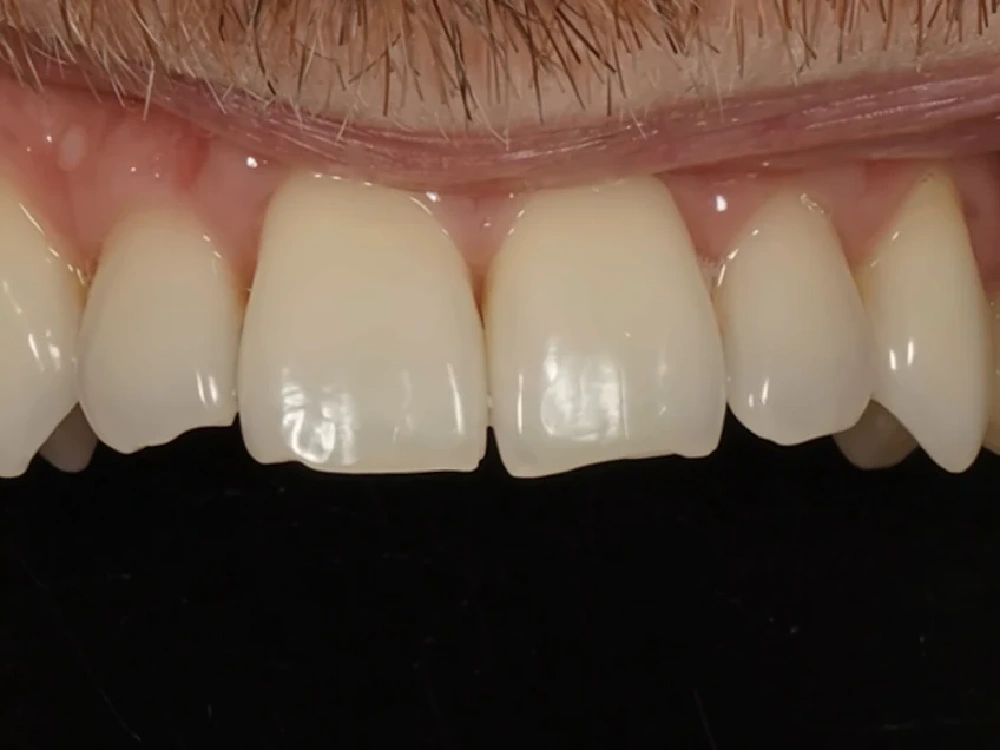
Dr. Ieva Vaičiūnienė’s aesthetic filling procedures:
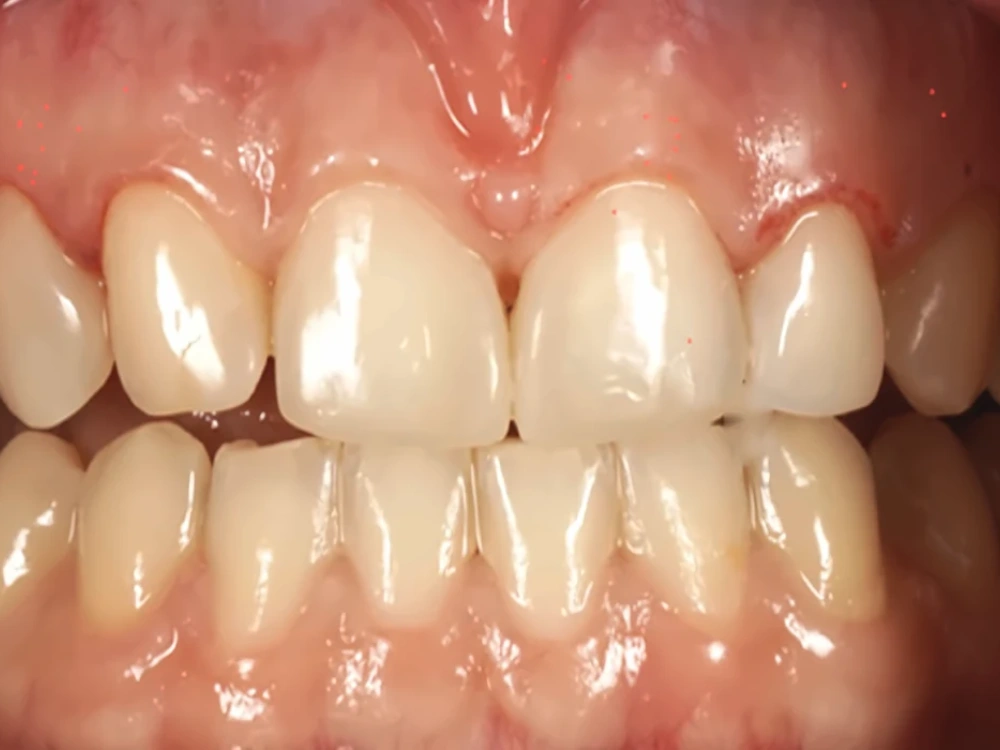
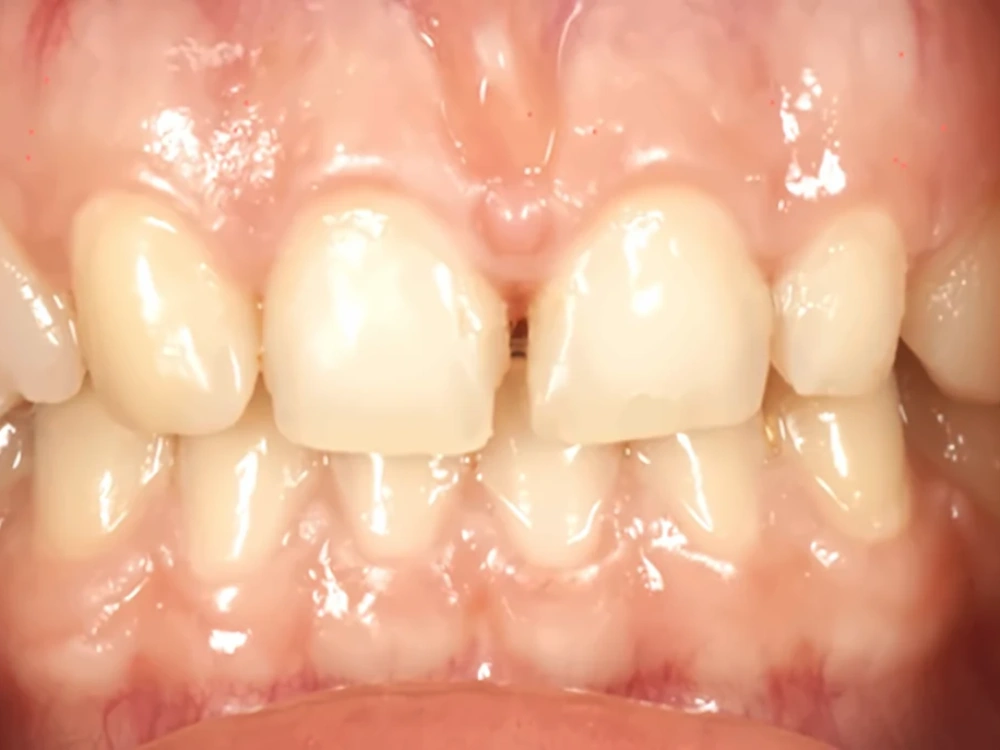
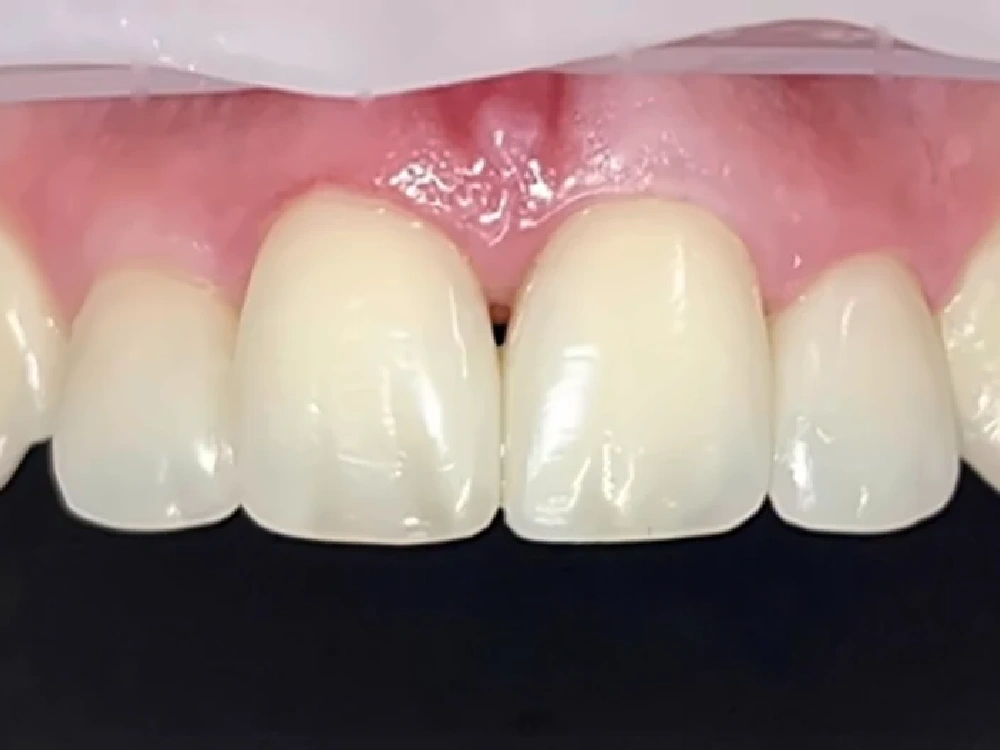
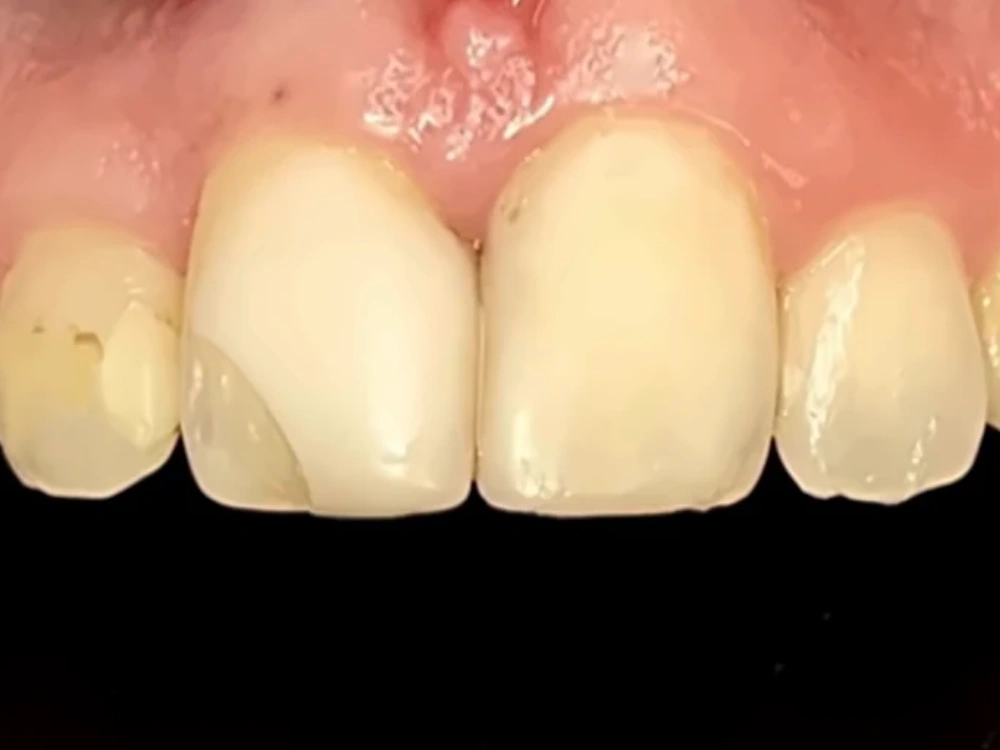
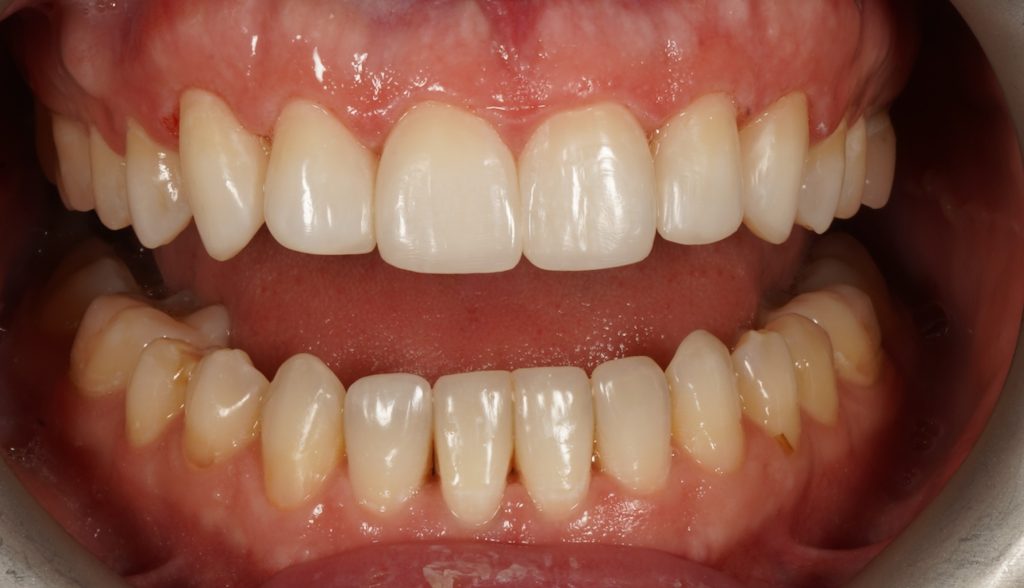
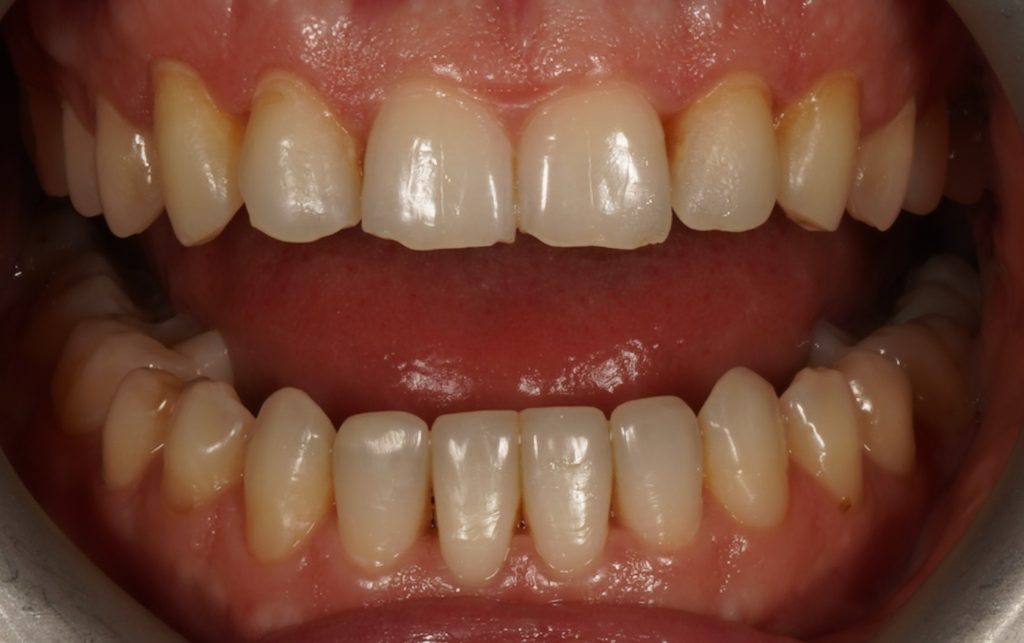
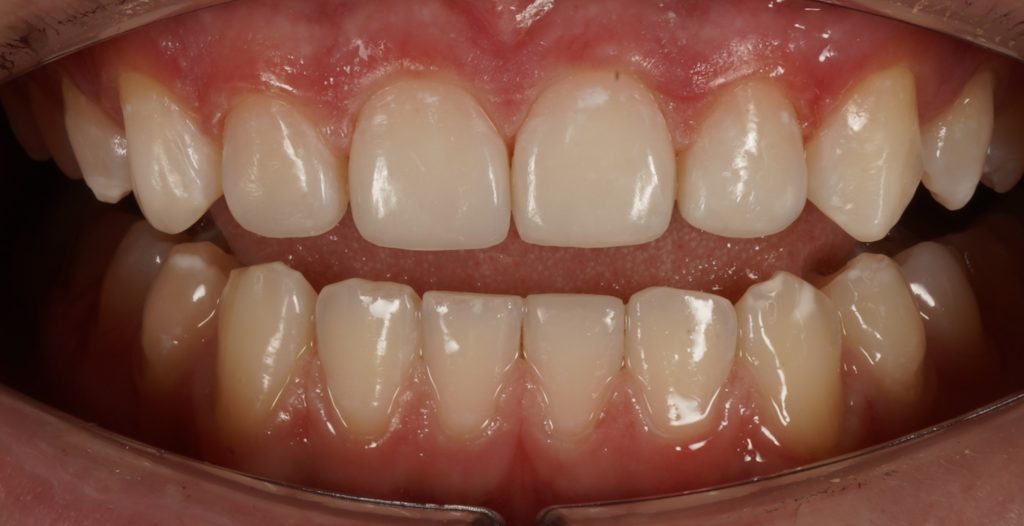
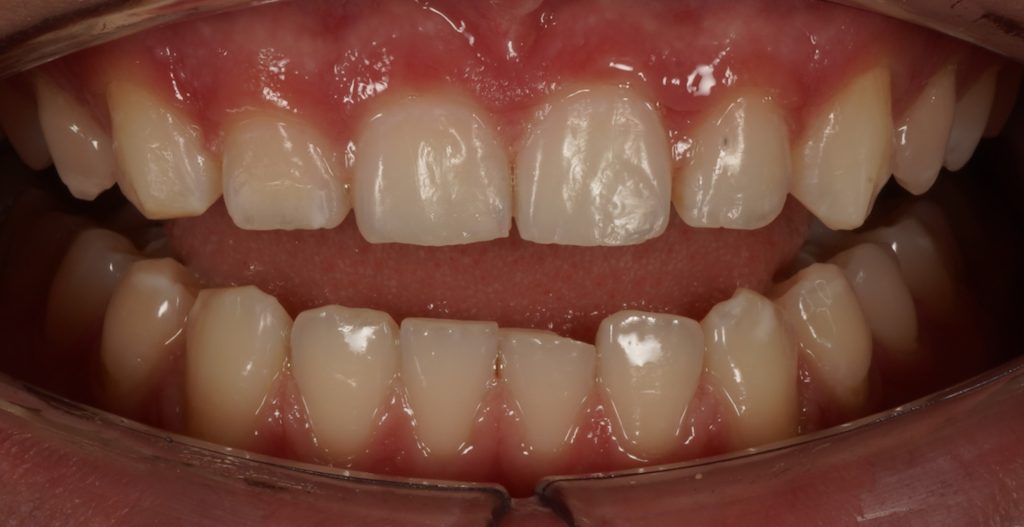
Frequently asked questions
There is no exact term. The longevity of a restoration depends on its size, the position of the tooth, the bite, teeth grinding, oral hygiene, eating habits and regular professional care.
The colour, shape and proportions of the composite are matched to the natural teeth and the smile as a whole. The aim is a natural-looking result, but what can be achieved depends on the initial clinical situation.
Not necessarily. However, if you are planning teeth whitening, it is often advisable to do it before the final shade of the restorations is chosen, because the composite material does not get lighter with whitening later.
Minor problems with shape or proportions can sometimes be corrected with fillings. However, more pronounced problems with tooth position or bite are usually better treated orthodontically.
Over time, the surface of restorations may lose some of its shine or become stained. Periodic professional polishing can help keep them smooth and looking good.

Start your
journey towards a healthy
smile
Book a consultation. We will assess your situation, discuss treatment options and help you choose the most suitable course of action.